
Small Extensions Cost: What You Need to Know
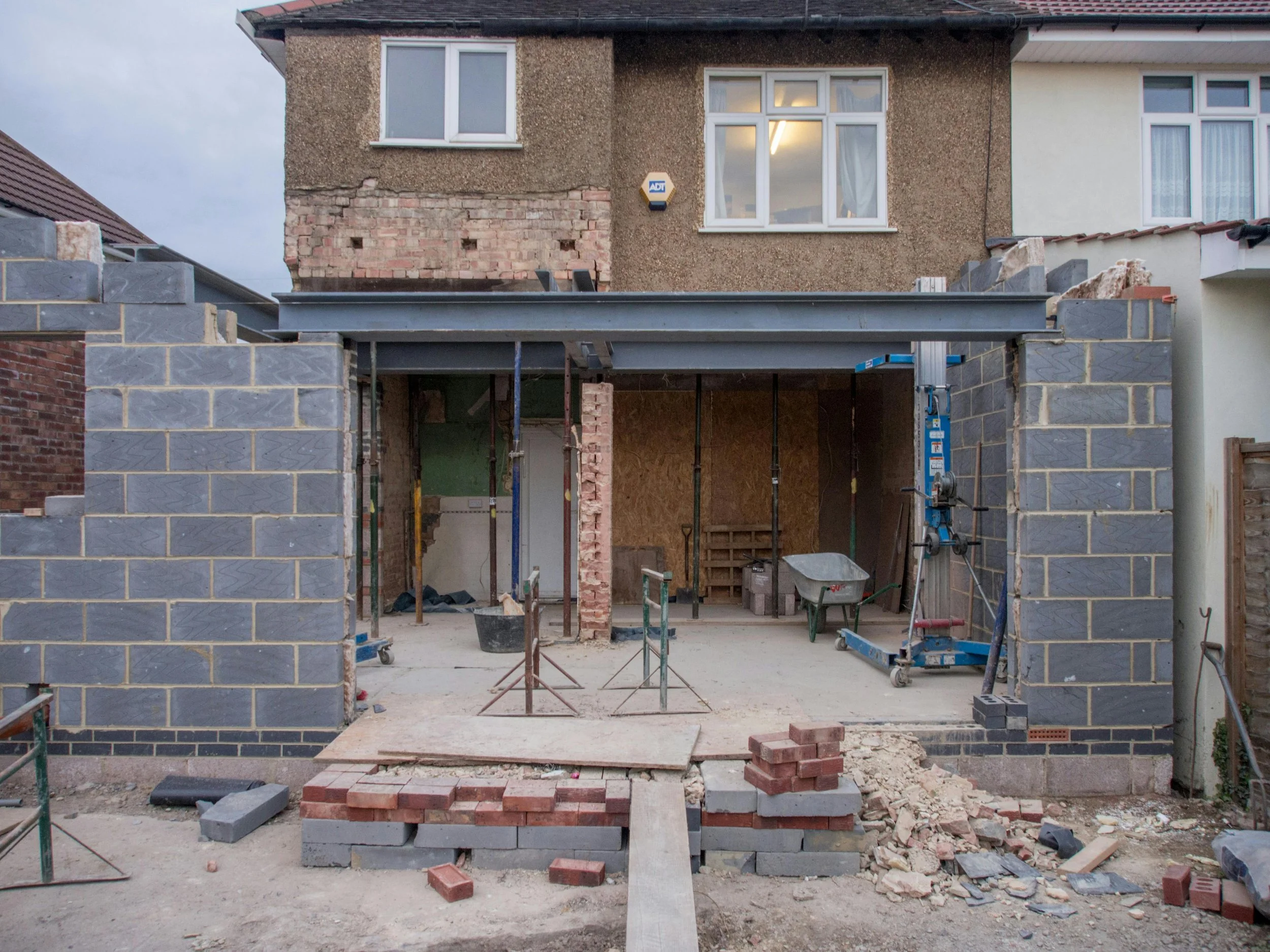
Are you thinking about extending your home within budget or space constraints? No problem!
Many homeowners find themselves in this position, wondering if their extension ideas are financially and practically feasible. The good news is that a small extension can be a great way to add extra living space without breaking the bank.
So what exactly is considered a "small" extension, and how much should you expect to pay?
Read on as we break down the key elements that influence the cost of small extensions.
We’ll define exactly what they are, their excellent potential, and important budgeting factors.
Defining a Small Extension
Before we can talk about costs, it's important to establish what we mean by a "small" extension.
In the world of home improvements, this term typically refers to two popular projects: side extensions and rear extensions.
Let’s take a closer look at those now.
Rear Extensions
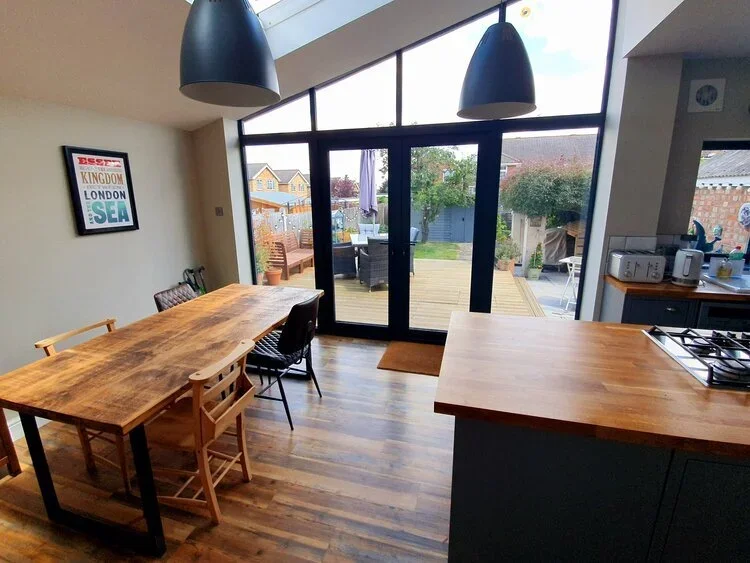
Rear extensions extend from the back of your property into your garden. They often extend off of a living room or kitchen. It’s popular to create a new open-plan kitchen-living area that flows into the garden.
The great news is that many rear extensions fall under Permitted Development Rights (PDRs), which are a set of rules that allow homeowners to make certain changes to their property without planning permission.
Under current PDRs, you can build a single-storey rear extension of up to 4 metres for detached houses, or 3 metres for any other type of house. There are other rules to consider, but compact rear extensions are one of the most efficient extension projects for this reason.
Using the Prior Approval application approach, it is sometimes possible to build a single-storey rear extension of up to 8 metres for detached houses, or 6 metres for any other type of house, but this is subject to strict caveats and conditions, and other technical considerations.
Side Extensions
Side extensions are a great choice for those looking to maximise their living space without eating into their garden. It’s often possible to extend into an existing corridor space, or a yard space between your home and garden called the side return (common in Victorian terraces).
Under current PDRs in England, you can extend up to half the width of the original house, as long as the extension is single-storey and doesn't exceed 4 metres in height.
Keep in mind that for all extensions under PDRs, the extension can't be built higher than the original roof, higher than the existing eaves, or over 3 metres high within 2 metres of a boundary.
Factors Influencing Small Extension Costs
We’ll now move on to discuss some costs. By and large, small extension costs vary in much the same way as larger extensions.
Size and Complexity
It's no surprise that larger extensions tend to come with higher price tags – more materials and labour equals increased costs.
But complexity also plays a role. A simple, rectangular extension with a flat roof will typically be more affordable than one with multiple angles, a pitched roof, or elaborate design features.
Location and Site Access
Location always impacts extension costs. Labour and material costs vary across the country, with London and the South East coming in top.
Accessibility is another key factor, though. If your property is difficult to reach or has limited space for storing materials and equipment, this can ramp up labour costs and potentially elongate project timelines.
Inadequate access is by no means insurmountable – there are lots of clever ways to move equipment and materials onto site without excellent access.
Materials and Finishes
Your choice of materials and finishes will directly influence the overall cost of your small extension. We’re talking construction materials (e.g. reclaimed brick will cost more) and fittings and finishes such as flooring, doors, windows, etc.
When weighing up the costs of materials and finishes, consider the balance between:
Durability and maintenance requirements
Aesthetic appeal and personal taste
Upfront costs and long-term value
Energy efficiency and environmental impact
Building Regulations and Planning Fees
Sometimes, size is not everything when it comes to planning permission. If your building is in a conservation area, for example, PDRs won’t automatically apply.
If you need planning permission (which a good architect will help you determine), the fees for this are relatively modest (around £400), though the process can lengthen your project.
Even if your small extension falls under PDRs, you'll still need to ensure it complies with Building Regulations.
These legally mandatory standards cover structural integrity, fire safety, energy efficiency, and more.
Professional Fees
Finally, don't underestimate the value of professional expertise when it comes to your small extension.
Hiring an experienced team – including an architect or designer, structural engineer, and skilled building contractors – can be a tremendous asset.
While professional fees will add to your overall costs, the upside is achieving a high-quality finish that adds long-term value to your home.
Average Costs for Small Extensions
Now that we have a clearer understanding of the factors that influence small extension costs, let's examine some real-world examples and average prices.
Keep in mind that these figures are intended as a general guide, and your actual costs will depend on your specific project, location, and contractor.
Cost per Square Metre
On average, small extensions in the UK tend to cost between £2,000 and £3,500 per square metre. Using these benchmarks, we can estimate that:
A modest 15 square metre side extension might cost between £30,000 and £52,500
A 20 square metre rear extension could range from £40,000 to £70,000
A more substantial 30 square metre wraparound extension might fall between £60,000 and £105,000
Remember, these figures are averages and will vary from project to project.
Interior Finishes
The interior finishes you choose can greatly impact the overall cost of your small extension.
Some key elements to consider include:
Flooring: Options like laminate or engineered wood tend to be more affordable, while solid hardwood or porcelain tiles will be at the higher end of the price spectrum.
Kitchen: If your extension includes a kitchen, expect to pay anywhere from £5,000 for a basic layout with stock cabinets to £20,000 or more for a high-end, bespoke design.
Bathroom: Depending on the size, fixtures, and finishes you choose, a new bathroom can cost between £3,000 and £15,000.
Underfloor heating: Popular for rear extensions, underfloor heating can cost between £50 and £100 per square metre, depending on your chosen system.
Windows and Doors
The style and number of windows and doors in your small extension can also affect the total cost:
Bifold doors: These popular, space-saving doors typically cost between £1,500 and £2,000 per linear metre, depending on the material and glazing options.
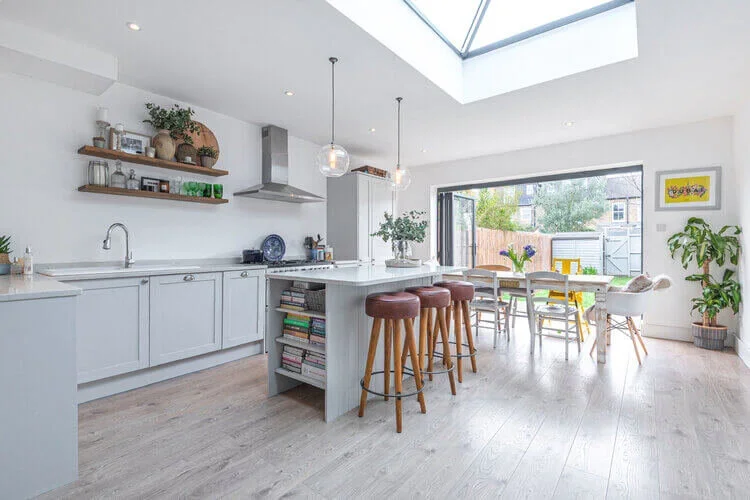
Skylights: Adding a skylight can help flood your extension with natural light. Expect to pay around £500 to £1,500 per skylight, including installation.
Floor-to-ceiling glass: If you want to create a seamless connection between your extension and your garden, floor-to-ceiling glass panels can be a stunning choice. However, they do come at a premium, with prices starting around £1,000 per square metre.
At Humphreys and Sons, we understand that navigating the costs of a small extension can be challenging.
That's why we work closely with our clients to create detailed budgets and designs that maximise value without compromising on quality.
Bringing Your Small Extension Vision to Life
Creating a small extension can be an incredible way to transform your home and add valuable living space.
As we've detailed, there are countless factors to consider when it comes to planning and budgeting for your project.
At Humphreys and Sons, we understand that every homeowner's needs and desires are unique. That's why we personalise every aspect of our service to every project we undertake, working closely with our clients to create bespoke solutions that perfectly match their vision and budget.
Whether you're dreaming of a cosy side return or a light-filled rear extension, our team of experts is here to help.
Start by scheduling a free consultation, where we'll listen to your ideas, answer your questions, and provide you with expert guidance on how to make your extension dreams a reality.
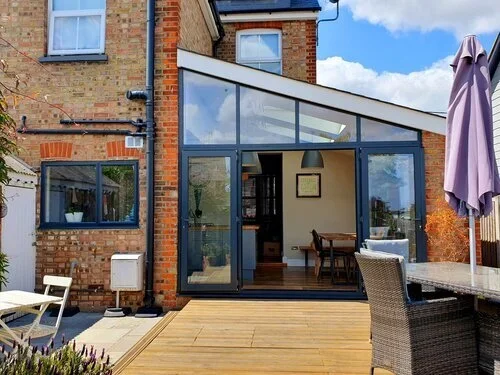



Side extensions are a brilliant addition to any home. We break down the costs here.